
Millions and millions of people all across the world suffer from mood-related disorders such as anxiety and depression—and unfortunately, while conventional treatment works, often times it doesn’t.
Drugs like Prozac and other anti-depressants are becoming more popular, but as more and more people become aware of the side effect profiles, they’re opting for a more natural way to keep their anxiety in check.
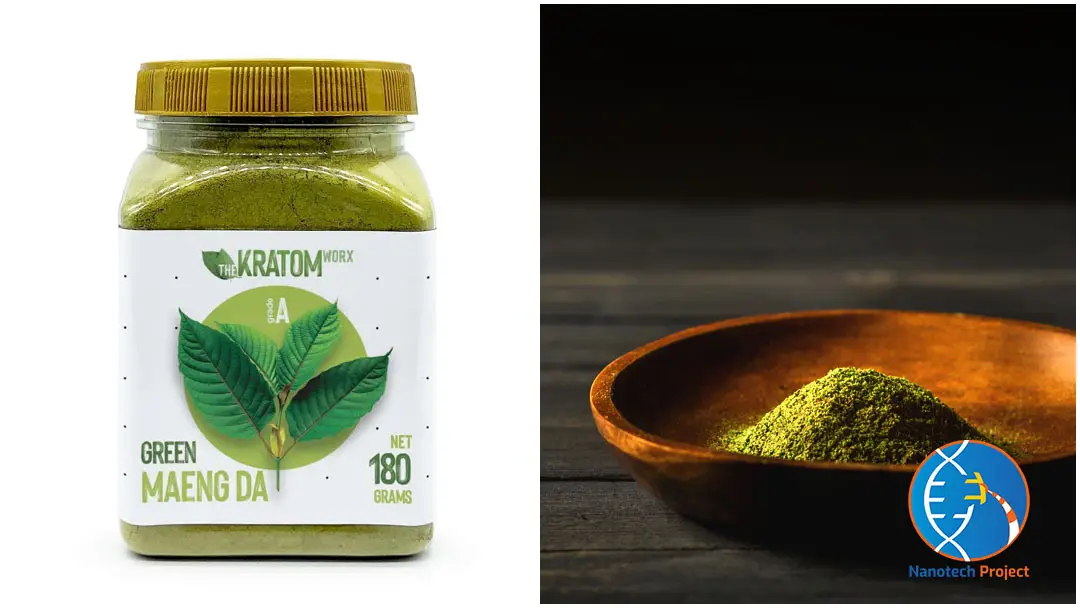
This, in large part, explains the recent rise in kratom—particularly in one strain, however, known as Green Maeng Da kratom, known for its ability to offer users a deep sense of relaxation, and relief from the stress of day to day life.
In this article, we’d like to review this popular Green Maeng Da kratom strain, so you can determine whether or not you want to try it. So, without further introduction, here’s our science-based guide to Green Maeng Da kratom.
What is Maeng Da Kratom?
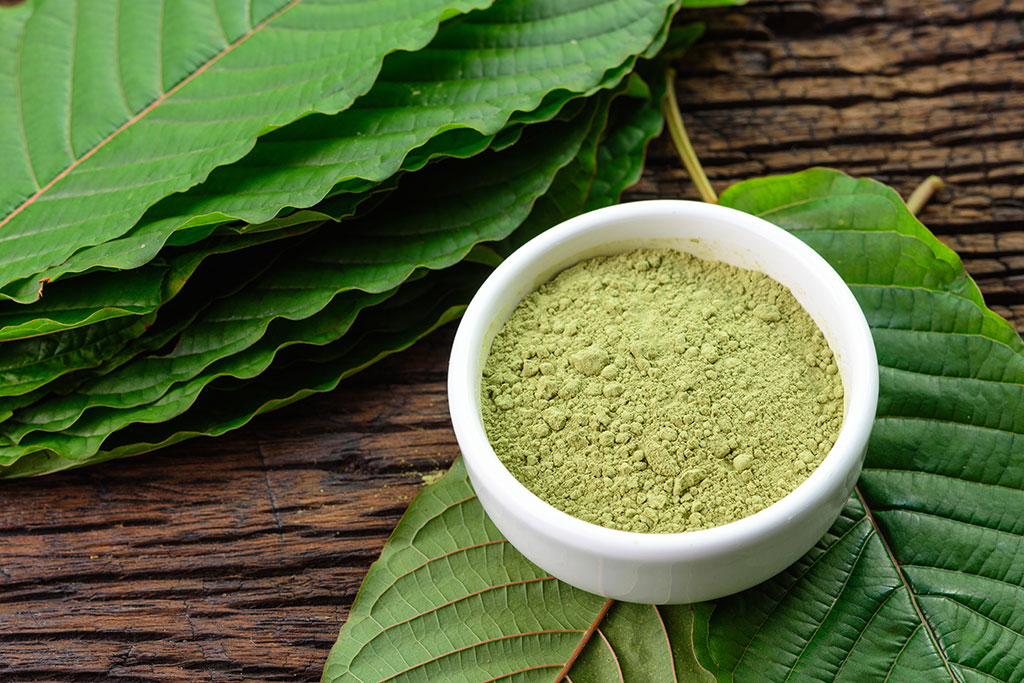
Kratom, also known as Mitragyna speciosa, is a tropical plant native to the countries of Southeast Asia. Most of the world’s kratom supply today is grown in countries like Thailand, Indonesia, and the Philippines due to this. [R]
While the kratom plant has been used by natives of Southeast Asia for thousands of years, the Western World first discovered it in 1839 after Dutch botanist Pieter Korthals began researching the effects that taking kratom had.
Ever since then, kratom has exploded in popularity, particularly in European countries and North American countries—and while it hasn’t been FDA approved as a treatment in any way yet, many users say it helps them on the regular.
Proponents of kratom say that it can help:
- Decrease Anxiety
- Lessen Depression
- Elevate Mood
- Reduce Stress
- Increase Energy
- …and more
Of course, none of these statements have been validated by the FDA, however there’s a growing body of anecdotal and clinical research that suggests kratom may hold promising treatment for patients in the future.
It’s also important to note that kratom is 100% legal to buy and use in the United States of America, although some countries are hotly debating whether or not it should remain legal (mostly due to lobbying groups).
Green vs. Red Maeng Da
Red Maeng Da is one of the top kratom strains on the market right now, and it isn’t hard to see why. Just a few grams of Red Maeng Da, and you’ll feel the health benefits immediately—a surge of euphoria & relaxation will hit you.
But, just how does Green Maeng Da compare? It’s certainly not as sedating as Red Vein Maeng Da kratom is, but some users actually prefer that. It still has potent relaxation and anxiety-relief effects, but the fact that it’s a green kratom strain makes it optimal for more active pursuits.
With a strain like Maeng Da, the relaxation effects will be powerful, so some users prefer to take Green Maeng Da as an alternative to Red Maeng Da, due to the energy and focus increase it will give you, combined with the relaxation effects.
Green vs. White Maeng Da
White Maeng Da is a favorite of kratom users across the planet due to the intense energy it gives users, combined with the relaxation effects that Maeng Da strains commonly give you. Just a small dose of 2-3 grams of powder is enough to help you feel these powerful health benefits and effects.
While White Maeng Da is a faster strain than Green Maeng Da, they’re still both great strains in general. That being said, the green vein variety of Maeng Da is more geared towards relaxation and anxiety-relief than the white strain.
All Maeng Da kratom strains are powerful, so it really just depends on what you prefer. White Maeng Da Kratom is helpful for getting work done or working out, whereas Green Vein Maeng Da is ideal for socializing, or maybe a lighter task such as organizing or cleaning.
Green Maeng Da Kratom Review
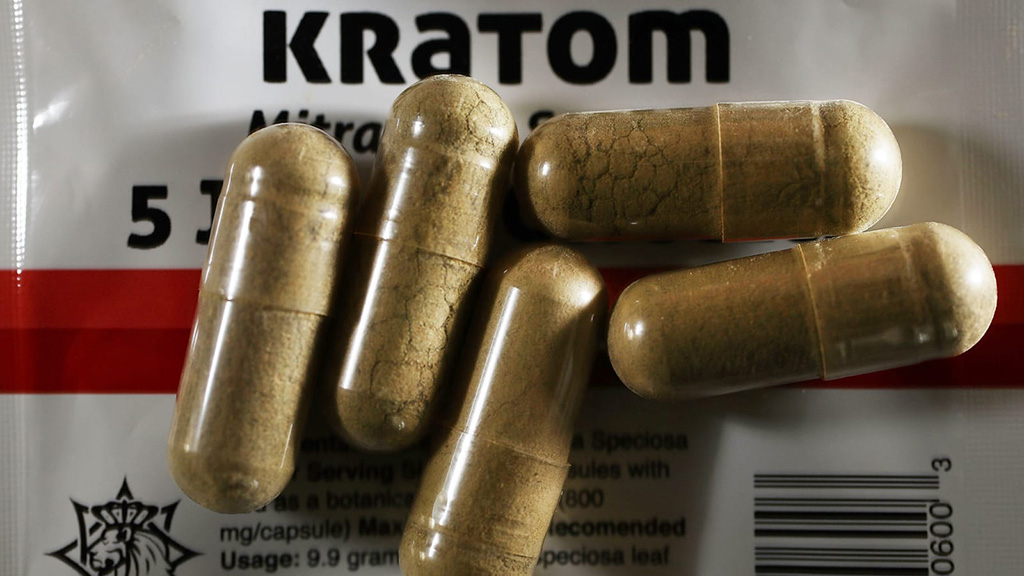
Green Maeng Da has exploded in popularity over the past several years, due to its versatility as a kratom strain. Native to countries such as Indonesia and Thailand, this strain is phenomenal for productivity, energy, focus, and mood.
For millennia, the locals of Southeast Asia and Vietnam have used Green Maeng Da kratom to alleviate physical pain, treat common diseases, boost mood, and as a way to socialize at night (similar to how Westerners use alcohol at clubs and bars).
Here are some effects of Green Maeng Da kratom:
- Increased Energy Levels
- Enhanced Sense of Well Being
- Elevation in Mood (Joyfulness)
- Higher Levels of Productivity
- More Motivation to Socialize
- …and more
In fact, while no drug is truly side effect free, Green Maeng Da has very minimal side effects when it comes to kratom—in fact, I tend to get the least amount of side effects while taking this strain, as opposed to a different strain.
Why I Love Maeng Da Strains
Whether red, yellow, white, or green vein, Maeng Da is one of the strongest kratom strains that there is. Maeng Da quite literally translates to “Pimp Hand” in Thai, which is a testament to the strength of the Maeng Da strains.
Maeng Da Kratom is known for its powerful anxiety-relieving, anti-depressant, and euphoria-delivering effects. In fact, for most beginners, Maeng Da Kratom is the quintessential “Kratom Feeling” that they’re looking for.
Plus, you can take different varieties of Maeng Da depending on what you want. Some White Vein Maeng Da is ideal for more active tasks, such as working out, getting work done, or going out dancing with your friends.
Taking a few grams of Green Vein Maeng Da kratom powder is ideal for getting some work done, cleaning up around the house, doing some chores, organizing, and other forms of light work that would normally be boring or tiresome.
Then, there’s Red Vein Maeng Da. This variety of Maeng Da is phenomenal for relaxing at the end of a hard day, or maybe even just socializing, and doing some light tasks (but it will give you more euphoria than Green Vein Maeng Da).
Green Maeng Da Benefits
It’s no wonder why Maeng Da kratom is one of the best strains out there—loved by many kratom enthusiasts. Once you start realizing how many positive effects Green Maeng Da kratom has, you’ll understand its popularity.
This isn’t to say that everyone will experience these effects the same, and it’s also not to say that Green Maeng Da will be a favorite for everyone. But, if you’re new, starting off with this strain (which you can buy here) is a good bet.
Here are some effects of Green Maeng Da:
- Strong Anxiety Relief
- Increased Energy Levels
- Enhanced Mood
- Boosted Confidence
- Higher Productivity
- …and more
It’s important to note that these claims have not been proven by the Food and Drug Administration (FDA), and are purely based on user reports and anecdotal evidence. That being said, I personally experience VERY strong anxiety relief and enhanced mood effects when I take Green Maeng Da kratom.
Strong Anxiety Relief
Green kratom is generally known for being “in between” the energy producing strains and the relief producing strains, which means that Green Maeng Da kratom provides a little bit of both. In fact, most users state that they feel the effects of this strain of kratom within just 30-40 minutes.
Personally, sometimes I’ll supplement some Green Maeng kratom with a nootropic like modafinil or Adderall, to take the edge off. Do not try stacking kratom if you’re a beginner, but with that being said, many users find that the right green strain of kratom can take the edge off many different stimulants.
Increased Energy Levels
While the Green Maeng Da kratom strain won’t increase your energy as a white strain will, it still provides a reasonable increase in energy levels. This is why many people find it a nice kratom strain to take if you’re just trying to get productive work done around the house, but not necessarily do anything too physically demanding (like going to the gym, practicing sports, or working out).
This is perhaps why Green Maeng Da is my favorite type of kratom. Not only do you have increased energy levels, which makes it way easier to get work done, but you also have a much better mood. When you combine these two things together, getting any sort of work done is a cinch.
Enhanced Mood
Perhaps one of the best benefits of the Green Maeng Da strain is its ability to enhance your mood, creativity, and overall motivation. Personally, when I take any sort of Maeng Da kratom, I feel these effects very strongly—and when I take Green Maeng Da I feel them even more.
Green Maeng Da is known for creating a mild euphoria, similar to red strains, but not so much that it’s overwhelming. Whenever I’m feeling a bit stressed out, anxious, depressed, or just generally “flat,” smelling the aroma of just 3-4 grams of Green Maeng Da kratom always helps to uplift my mood.
Boosted Confidence
Another great benefit of Green Maeng Da is its ability to increase confidence. This makes it a very pro-social drug that you can easily use before you go out to bars or clubs, although depending on your natural energy levels, if you’re going out to do something highly active you may want a white strain.
Even so, I tend to use green strains of kratom quite frequently, particularly if I’m going on a date, or doing something more “chill” like going to a house party. It certainly isn’t for everyone, but for the people who love Maeng Da kratom, you have to try the green stuff.
Green Maeng Da Kratom Dosage
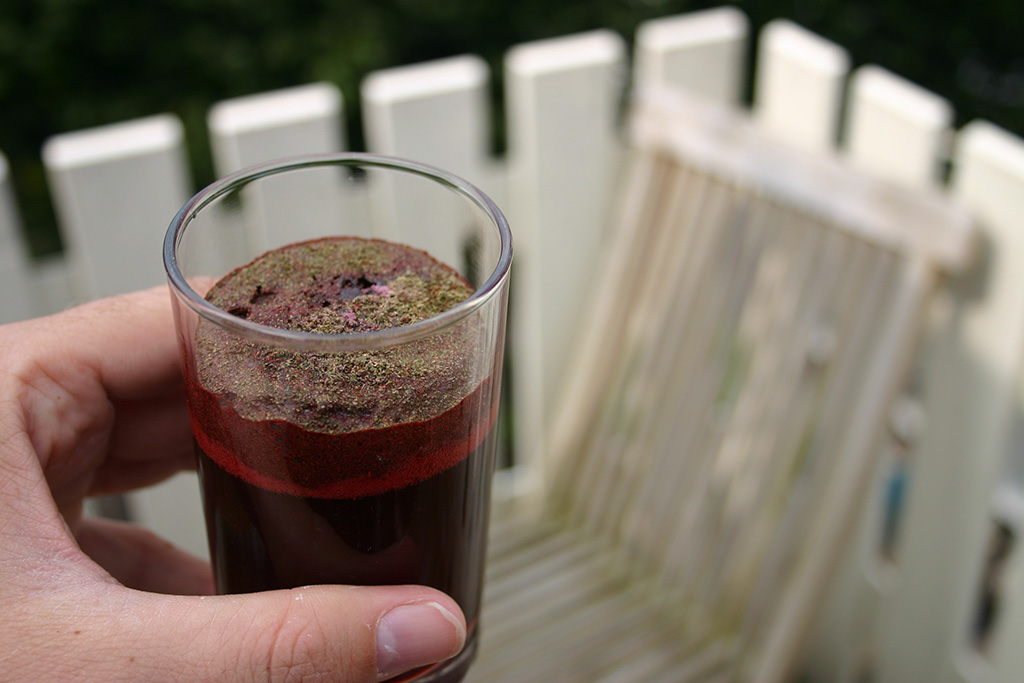
Remember that people will experience different strains differently. Some might feel more of a body high, others might experience more mental energy, and even other users still might not enjoy the strain at all, or may require a very high dosage to feel anything.
That being said, most experienced users agree it’s best to always start off with a very small dosage of Maeng Da Green kratom. You can always increase your dosage more later if you want stronger effects, so it’s better to start off with a smaller kratom dose than a larger one.
Here are the recommended Maeng Da dosages (for the green strain):
- Beginners: 2-4 grams
- Intermediates: 4-6 grams
- Advanced: 6-10 grams (NOT RECOMMENDED!)
With the Maeng Da strains, typically you will only need 3-4 grams to really feel the effects, especially if you take it on an empty stomach. Some users would need more if they just ate recently, but even then, it’s always best to start off with a smaller dose of Maeng Da kratom than a larger dose, because you can simply have more later.
Where to Buy Kratom
Unfortunately, a lot of vendors (even in the United States) sell low quality kratom powder, whether it’s white, yellow, red, or green vein. This is why it’s so important to buy from a good vendor, and read up on them.
We’ve already compiled a list of the best vendors to buy kratom from online, so we recommend you take a look at that article to see where all the different vendors stack up against each other.
If you just want to know our final verdict, then you can go over to Kratom Worx & buy from them. They’ve got some of the best kratom on the market, for good, competitive prices, and their company/brand reputation is superb.
Whether you’re buying red, white, green, or yellow vein kratom, be sure to get it from The Kratom Worx. Best of all, if you use the code “nano20” you’ll save a whole 20% off your entire first order.
Green Kratom Side Effects

While most users particularly enjoy this strain of kratom, that’s not to say that Green Maeng Da doesn’t have any side effects to it. The majority of users won’t experience them when they use this stuff responsibly, though.
Most of the time, side effects will begin to occur when you either build up a tolerance and start taking way too much kratom on a daily basis, or when you take far too much kratom to begin with (more than the beginner doses).
That being said, here are some potential side effects:
- Nausea
- Chills
- Digestive Issues
- Dry Mouth
- Loss of Appetite
If you stick with high quality kratom (like the stuff from Kratom Worx), the odds that you’ll encounter any sort of Green Maeng Da side effects are extremely low, so long as you take it within the recommended dosages.
Summary
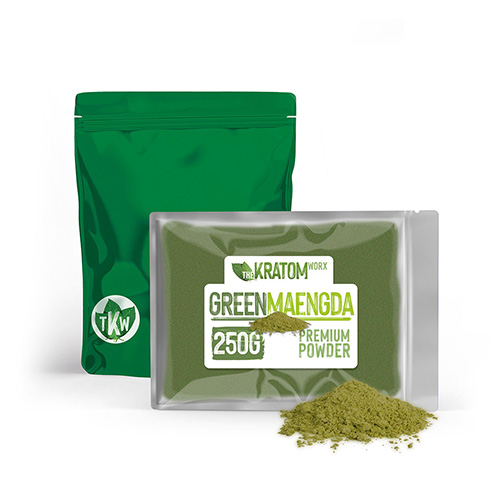
In conclusion, Green Maeng Da kratom is a fan favorite, with effects such as mild euphoria, mood enhancement, increased productivity, higher energy levels, and boosted confidence. Remember that these claims have not been validated by the FDA, but rather, are based on anecdotal evidence from user reports.
If you do decide to buy some Green Maeng Da kratom for yourself, we highly recommend you get it through Kratom Worx, which is one of the best kratom vendors on the planet right now.
Just click here to shop their massive catalogue of kratom. They’ve got all sorts of strains, ranging from Maeng Da (green, red, and white), to Bali kratom, and even some of the more rare strains, such as Gold kratom.
If you believe we left something out in this article, feel free to tell us in the comments section down below—we’ll do our best to update the article accordingly, and respond to your questions/remarks as soon as possible!